You meet a prospective customer, introduce your business and reach for your visiting card. Instead of handing it over to keep, you hold it near their phone. A notification appears, and they open your digital profile to view your details, explore your work or save your contact. That is the idea behind NFC visiting cards: a reusable physical card that connects someone to your digital information.
What happens when you tap an NFC business card?
NFC stands for Near Field Communication, a technology that allows compatible devices to exchange small amounts of information over a very short distance. An NFC business card typically contains a chip and antenna, with a web address stored on the chip. When a compatible phone is brought close enough, it reads that address and prompts the recipient to open it.
The card itself does not need a battery or charging. The phone supplies the energy needed to read its passive NFC tag. For most digital visiting card services, the address opens a profile in the phone’s browser. The chip is therefore a doorway to your information—not a storage device holding your entire portfolio, brochures or videos.
Does tapping automatically save your contact?
Opening a profile and saving a contact are two different steps. Tapping usually brings up a link notification; the recipient opens the profile and chooses what to do next. They might call you, browse your services or select “Save contact.” Their phone may then ask them to confirm importing the details into its address book.
This distinction matters because a tap is an introduction, not proof that someone has saved your number. A simple invitation—“Tap here to view my details, then choose Save contact”—helps make the experience clear. Opening a profile also does not, by itself, send the recipient’s phone number back to you.
There is a small but important behaviour shift here: from simply handing over your details to helping someone keep them and agreeing on what happens next. You might invite them to explore a relevant project, exchange contact information or arrange a follow-up. The technology makes sharing easier, but a tap alone does not create a relationship. The conversation and the habits around it still matter.
Will it work with every phone?
Many current iPhones and Android phones can read NFC tags, but support and behaviour vary by model and settings. The recipient may need to wake or unlock the phone, and some Android devices require NFC to be enabled. Antenna position also differs: on supported iPhones it is generally near the top, while Android placement varies.
Despite the word “tap,” a brief, steady hold near the phone’s NFC reader is often more effective than a quick touch. Thick or metal-containing cases can interfere. A printed QR code provides another route: the recipient scans it with their camera to open the same profile. Reading the NFC link does not itself require internet access, but loading a hosted digital profile generally does.
What can people see after tapping?
That depends on the digital profile linked to the card. Beyond a name and phone number, a profile may include your company, services, website, portfolio, brochure or introductory video. For an architect, this could mean giving a prospective client access to completed projects while the conversation is still fresh.
With a browser-based service, recipients generally do not need to install a dedicated app. An editable profile can also evolve as your role demands: a new designation, a different service focus or a recent portfolio need not mean replacing the physical card. This depends on your plan supporting updates and the linked address remaining valid. Updating your online profile does not necessarily update a contact someone previously saved on their phone.
What should you check before buying?
An NFC visiting card is generally kept and reused; a paper card is usually left with the recipient. While an NFC card may suit most situations, there may be occasions when using a paper card is unavoidable. Before choosing, check phone compatibility, QR availability, profile features, customization options and replacement arrangements. A separate guide explains what shapes NFC business card prices beyond the chip itself.
Also distinguish the physical card from the digital service behind it. The card may not require charging, but its linked profile still depends on hosting and the provider’s terms. Check whether your purchase includes a fixed or editable profile, whether annual fees apply, and what remains available if you do not renew. “No app required” does not mean “no subscription.” Read what to check when choosing a subscription-free NFC business card for a practical comparison checklist.
How ARG Transform takes the exchange beyond the tap
ARG Transform is a contact-exchange platform, with NFC as one way to connect. A prospect can tap or scan your card to open your digital profile. Alternatively, you can receive their paper business card, capture its details using ARG Transform’s card-scanning feature, and share your digital profile through WhatsApp when appropriate. The exchange can begin with their paper card or your NFC card—it does not depend on both people using the same technology.
On an editable plan, you can keep your profile aligned with your changing role, services and work. ARG Transform’s analytics and goal-setting features also help you review your profile’s reach and monitor progress in your networking efforts. These signals can guide your next steps, although a profile visit should not be mistaken for a confirmed lead or sale.
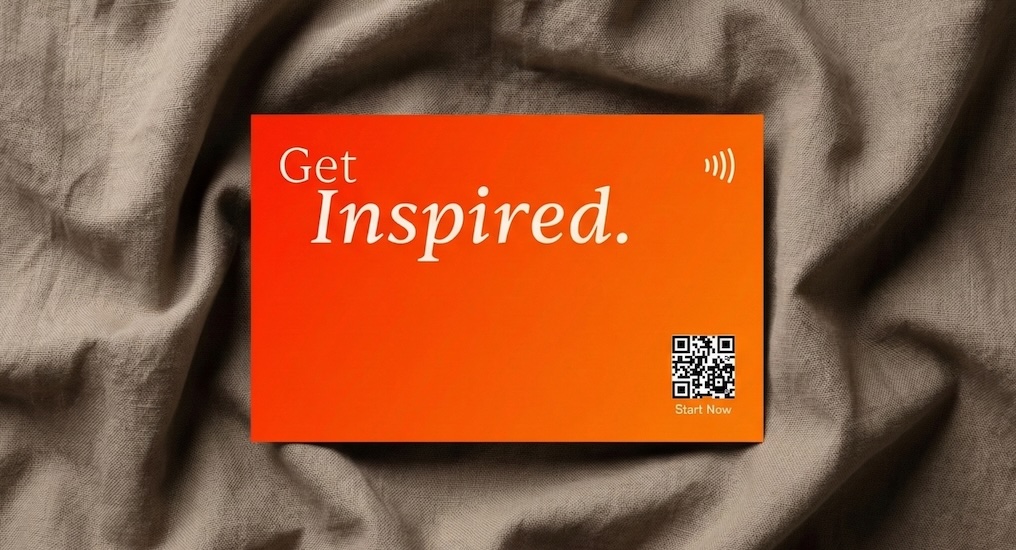
Professionals who want a personalized physical card can choose from ARG Transform’s Pro Elite, Glitter and Netzero editions. Pro Elite lets you recreate the design of your existing paper business card on an NFC-enabled card, preserving your familiar branding while adding tap-to-share functionality. Review the included features and applicable annual renewal terms before choosing.
The value is not simply the tap. It is making the exchange easier, keeping what you share relevant, and building the habit of taking the next step after an introduction.
See how ARG Transform helps professional introductions continue beyond the first exchange.
Discover what ARG Transform can do for you